
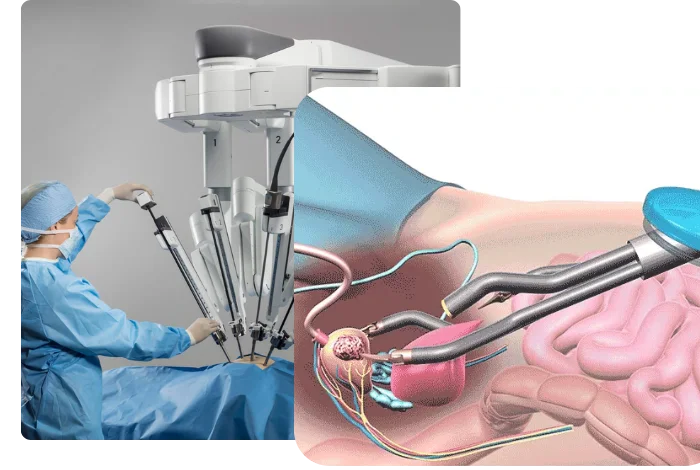








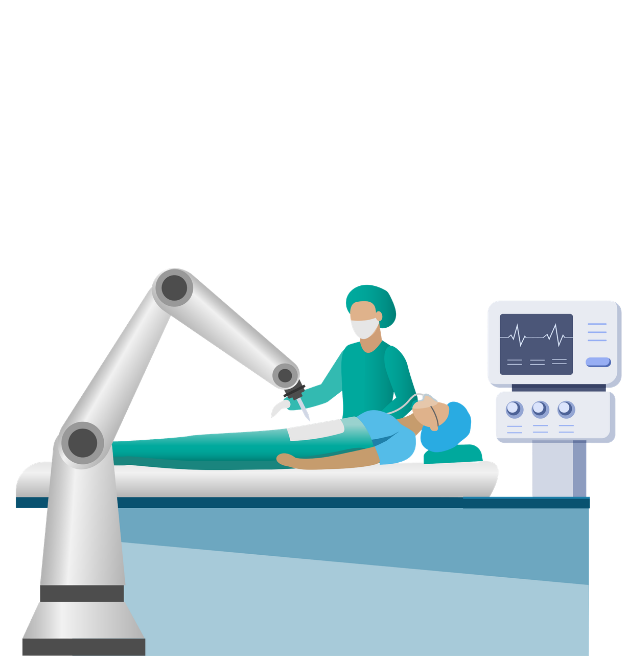
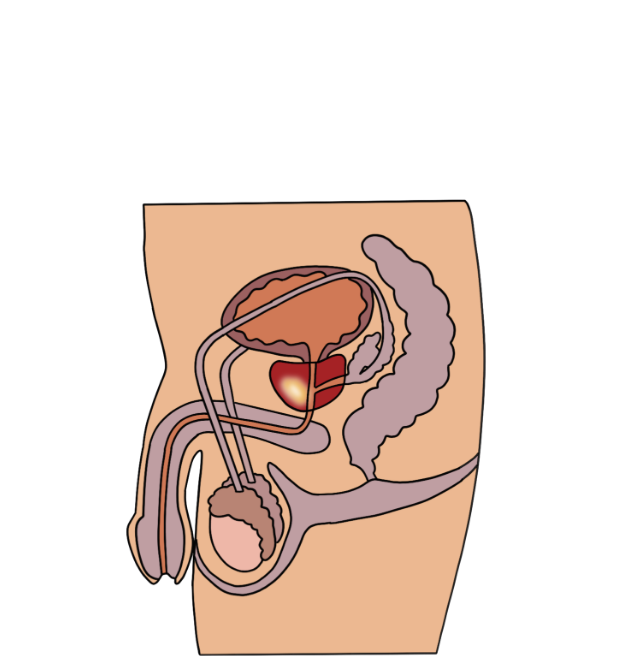


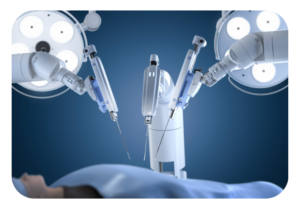
 Robotic technology allows highly controlled and precise movements during surgery, helping improve accuracy while operating around delicate surrounding structures.
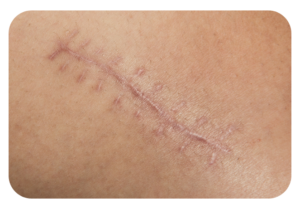 The procedure is performed through small incisions, which often leads to less pain, minimal scarring, and a more comfortable post-surgery experience.
 Minimally invasive robotic techniques are associated with lower blood loss compared to traditional open surgical approaches in many cases.
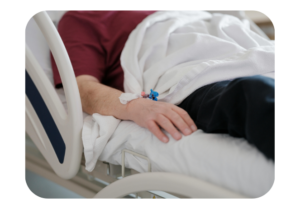 Many patients are able to recover more comfortably and return to routine activities sooner due to reduced physical trauma during surgery.
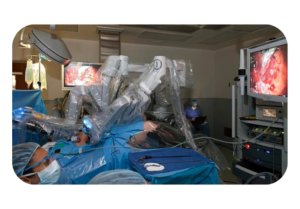 Advanced robotic systems provide enhanced magnified views, allowing improved visibility and greater precision throughout the surgery.
 From surgery to recovery, robotic procedures are designed to support a smoother treatment journey with better comfort and confidence for patients.




Frequently Asked Questions
Will robotic prostate surgery leave large scars?
Robotic prostatectomy is performed through small incisions, which usually results in minimal visible scarring compared to traditional open surgery.
How soon can I start walking after surgery?
Most patients are encouraged to start moving and walking within a short time after surgery as part of the recovery process.
Will I need regular follow-ups after surgery?
Yes, regular follow-ups are important to monitor recovery, assess healing, and track long-term prostate health after treatment.
Can robotic surgery help preserve surrounding healthy structures?
Robotic-assisted technology allows enhanced precision during surgery, helping surgeons operate carefully around delicate surrounding tissues.
How do I prepare before robotic prostate surgery?
Preparation may include medical evaluation, blood tests, imaging, medication review, and specific pre-surgery instructions provided by the doctor.
Is robotic prostatectomy performed under general anesthesia?
Yes, the procedure is generally performed under general anesthesia to ensure patient comfort throughout the surgery.